
US manufacturing PMI hits four-year high in July as AI demand and order growth drive expansion
US manufacturing activity reaches a four-year high in July, driven by strong new orders and employment growth, despite supply chain challenges.
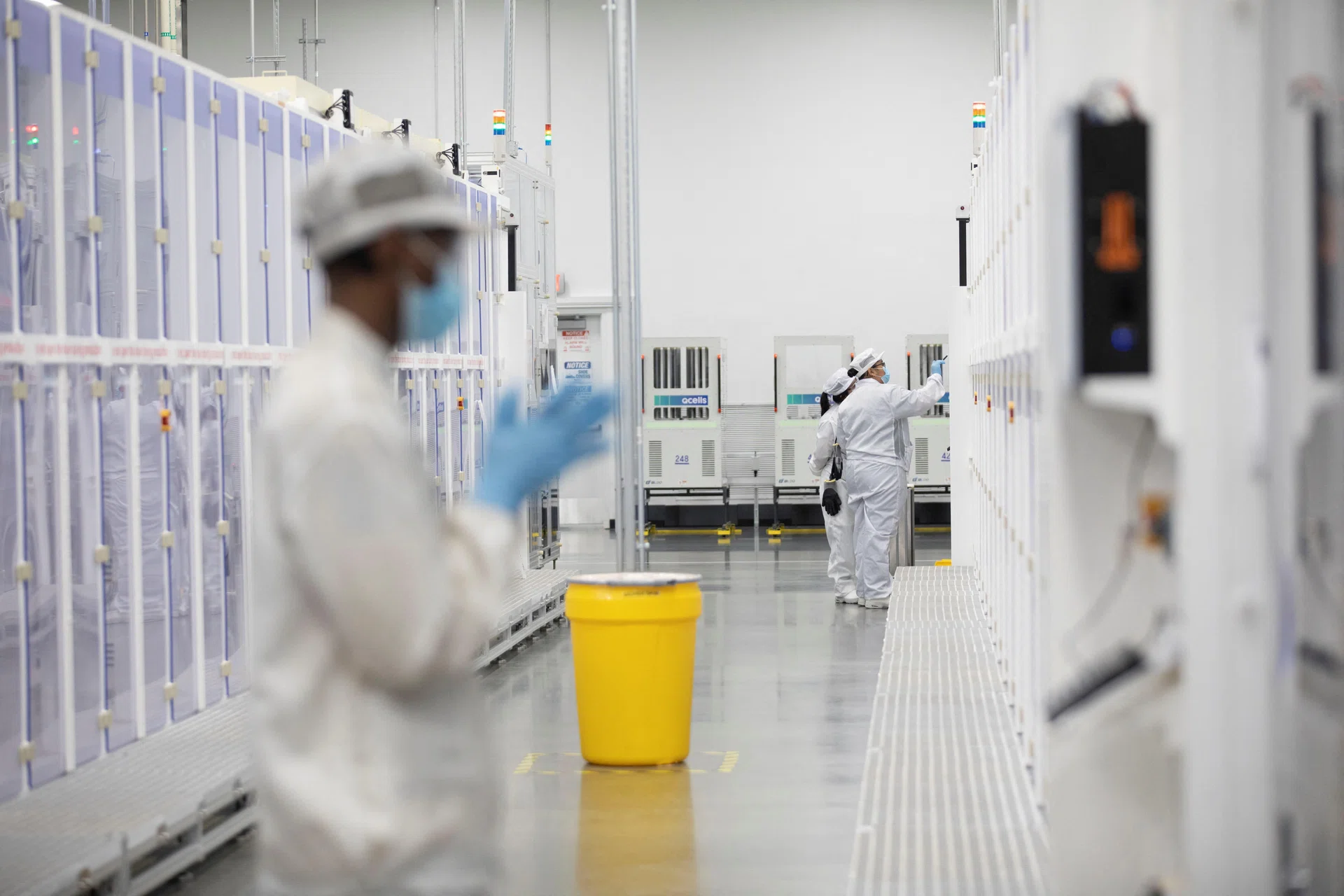
US manufacturing activity surged to a four-year high in July, with the Purchasing Managers’ Index (PMI) reaching 55.6, the highest since May 2022. The index remained above the 50 threshold, indicating continued growth, and exceeded economists’ expectations of 54.0. Strong new orders and employment growth were key drivers, though supply chain disruptions from the Middle East conflict kept input costs elevated. Manufacturing, which accounts for about 9.4% of the US economy, has been supported by businesses front-loading orders to avoid higher prices and shortages stemming from the US-Israeli war with Iran. The artificial intelligence build-out is also driving activity in the technology sector, helping to offset the impact of import tariffs.
Supply chain pressures and rising input costs
Despite the strong PMI reading, supply chain constraints have persisted, with supplier deliveries slowing and input prices remaining high. The survey’s gauge of prices paid for inputs fell slightly to 71.1 from 73.0 in June, but remained elevated. The lengthening of suppliers’ delivery times likely contributed to the PMI increase, as it is typically associated with a strong economy and high demand. Supply constraints have kept inflation at the factory gate elevated, though the pace of increase has slowed. The Federal Reserve left its benchmark interest rate unchanged, with three members of the policy-setting committee dissenting, preferring a quarter-percentage-point hike.
Supply chain disruptions continue to weigh on manufacturing, despite strong demand and growth.
Asia sees mixed manufacturing trends
In Asia, manufacturing activity showed mixed results. Singapore’s PMI edged up to 51.4, supported by continued AI-related demand, even as supply chain pressures intensified. The electronics sector, a linchpin of Singapore’s manufacturing, saw its PMI rise to 52.4, marking the 14th consecutive month of expansion. However, the collapse of the Middle East ceasefire has triggered a supply chain crisis, sending input prices soaring and severely crippling supplier delivery times. Thailand’s PMI rose to 54.2, its highest since December and well above its long-run average of 50.5.
Regional manufacturing conditions remain uneven, with some countries showing resilience while others face contraction.
China’s official PMI fell to 49.2, slipping into contraction territory, while South Korea’s PMI rose to 53.1. Regional trends showed improvement in Indonesia and Vietnam, with manufacturing conditions generally improving across the region. Economists expect AI-related demand to continue supporting manufacturing in the near term, though benefits may remain concentrated in electronics and related industries. Supply and cost pressures could result in uneven factory performance over the coming months. Manufacturers will need to expand production capacity to meet rising orders, as highlighted by analysts like Jester Koh and Selena Ling.