
High fuel prices persist as global conflicts strain refining capacity, warn Exxon and Chevron
Global conflicts reduce refining capacity, pushing fuel prices higher despite falling oil prices.
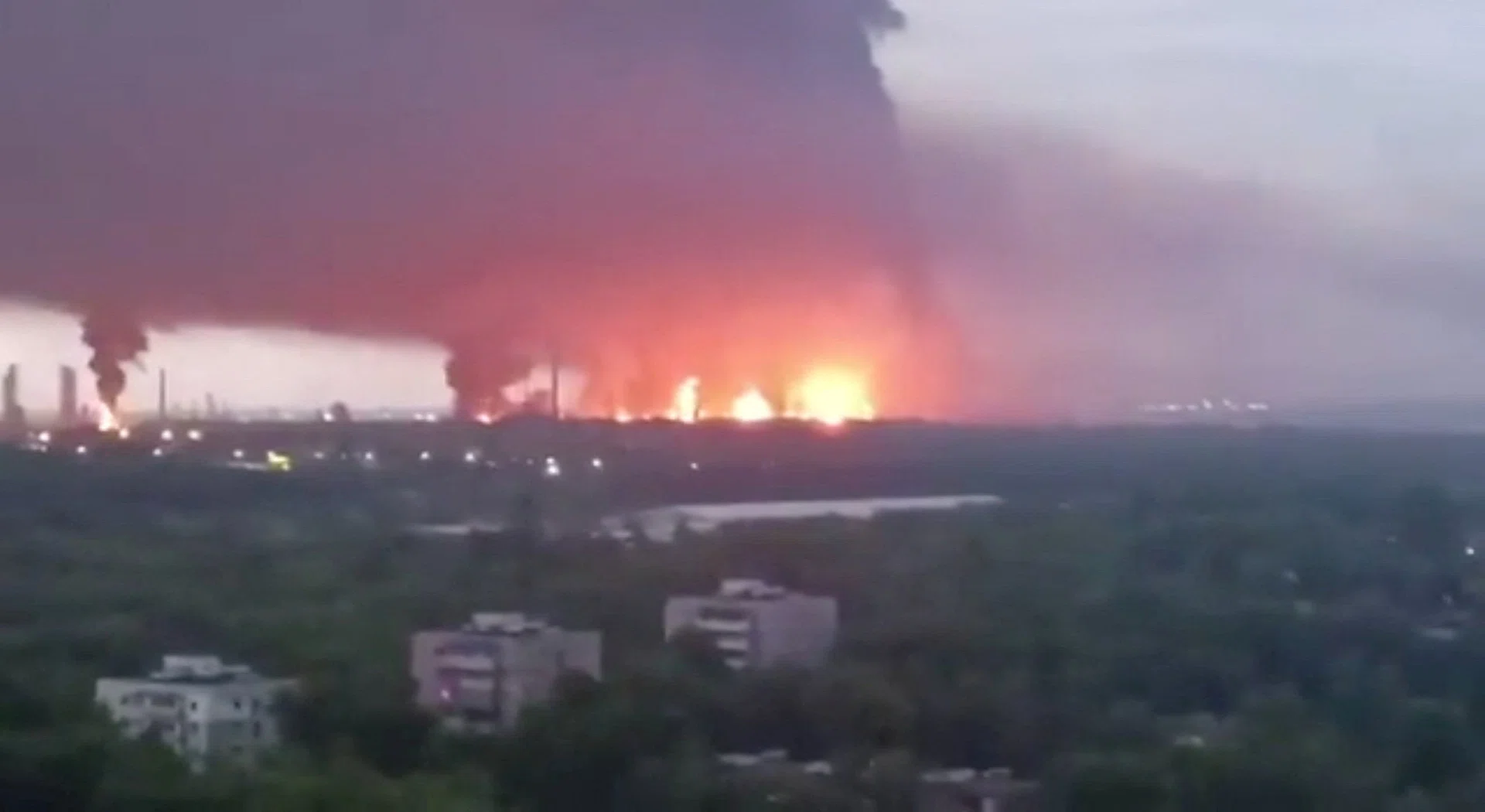
High fuel prices are expected to remain elevated for the foreseeable future despite falling oil prices, as global conflicts continue to strain refining capacity, according to ExxonMobil and Chevron. The two major oil companies warn that the link between crude oil prices and fuel prices is weakening, with refined product inventories approaching historical lows. This situation is exacerbated by ongoing conflicts in the Middle East and Russia-Ukraine war, which have effectively taken nearly 10% of the world’s refining capacity offline. As a result, fuel prices remain stubbornly high, even as oil prices decline, contributing to inflationary pressures.
Refining capacity under strain
Refining is now the key bottleneck in the global energy system, with margins reaching exceptional levels, according to analysts. In the United States, refineries are operating at near full capacity, with ExxonMobil’s Gulf Coast facilities running at 95% utilization and Chevron’s US facilities at 97%. This high level of activity leaves little room for error, as the industry struggles to meet demand without additional capacity. Shell, meanwhile, ran its refineries at 102% utilization, but expects this to drop due to scheduled maintenance.
Gasoline prices diverge from oil prices
Gasoline prices are beginning to disconnect from oil prices, instead being influenced more by inventory levels, according to industry experts. Rob Thummel, a senior portfolio manager at Tortoise Capital Advisors, noted that refined product inventories are approaching historical lows, making the market more sensitive to supply constraints. This trend is evident in the US, where the average price of gasoline has climbed above $4 per gallon, frustrating drivers and politicians alike. Despite a 26% drop in West Texas Intermediate (WTI) prices from its 2026 high, retail gasoline prices remain just 10% below their peak.
ExxonMobil sees the trend continuing due to a lack of refining capacity reaching the global market. The company’s CEO, Darren Woods, stated that available capacity relative to demand is at an all-time low, and it will take time for the industry to recover. This situation is compounded by geopolitical uncertainty, which has tightened markets and reinforced the need for reliable supply. Chevron’s CFO, Eimear Bonner, noted that the shock absorbers that have mitigated volatility so far are being drawn down, signaling a more volatile future.
Analysts warn that the current situation could be different from past crises. The combination of ongoing conflicts and limited refining capacity creates a more fragile energy system. With the Strait of Hormuz still closed and continued attacks on Russian refineries, the industry faces a complex and challenging environment. As the northern hemisphere prepares for winter, the demand for heating oil is expected to rise, further straining the already tight refining capacity. The result is a continued upward pressure on fuel prices, even as oil prices remain volatile.
ExxonMobil, which operates the world’s largest refinery network outside of China, sees the trend advancing for the foreseeable future because about 5 million barrels a day of refining capacity is unable to reach the global market. The real pain point is in middle distillates, which includes diesel, jet fuel and heating oil, according to Chevron CEO Mike Wirth. Retail diesel prices are just 6 per cent below their highs in 2026 even though the drop in WTI has been four times as much.