
Smuggling ring shakes Vietnam’s diamond trade, trust eroded
Vietnam’s diamond market faces crisis after smuggling ring bust, eroding consumer trust.
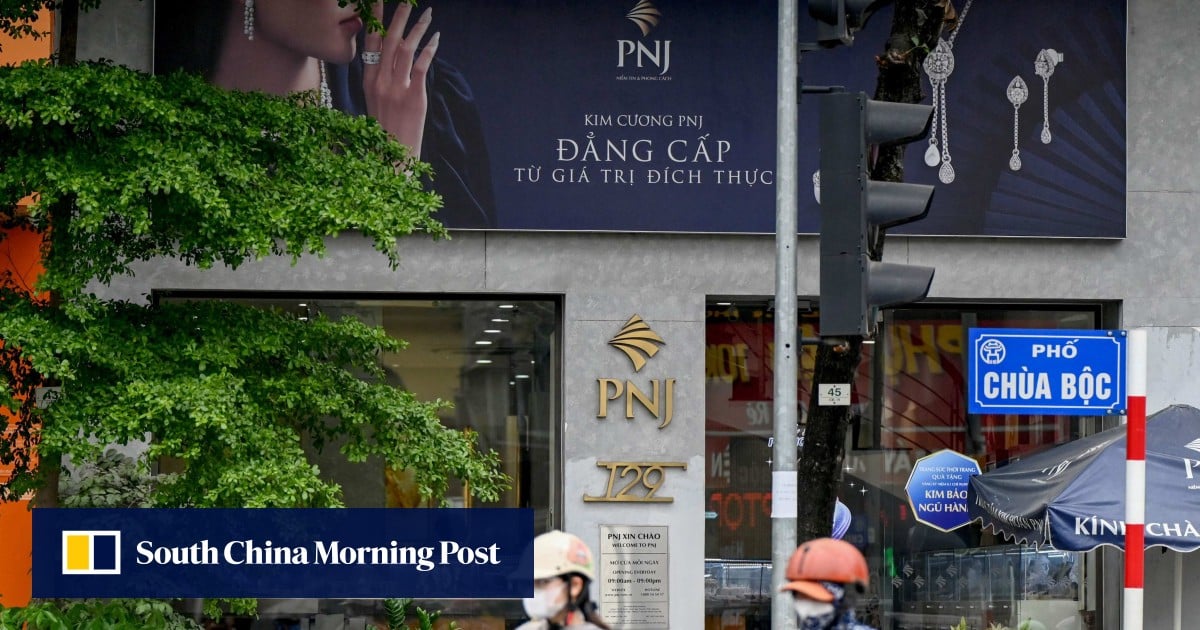
Trust in diamonds shaken by smuggling scandal
The discovery of a major diamond smuggling ring has sent shockwaves through Vietnam’s jewellery industry, eroding consumer confidence and triggering a crisis in one of the country’s most lucrative markets. What began as a criminal investigation has now sparked calls for stricter regulation, as two of Vietnam’s leading jewellery brands, Phu Nhuan Jewellery (PNJ) and Saigon Jewellery (SJC), have been implicated in the scandal. Authorities allege that over 30,000 stones worth more than 1.5 trillion dong (US$57 million) were smuggled into the country over the past two years, hidden in luggage, shoes, and clothing. These stones, sourced from India and routed through Hong Kong, were then re-engraved and sold as high-quality diamonds, misleading buyers and inflating prices.
Consumers are now questioning whether the diamonds they bought are worth what they thought. The fallout has been swift and severe. Nearly half of PNJ’s market value has been wiped out, and authorities have intensified inspections of the jewellery market. Thanh Hang, an online clothing shop owner in Ho Chi Minh City, expressed her concerns after buying a diamond ring graded by PNJ Laboratory, one of the companies under investigation. She sought a refund but found the branch closed. When she eventually contacted the company, the response was not encouraging. “We’ll settle the payment next year,” she was told.
Industry calls for stronger oversight
The scandal has prompted calls for a more robust regulatory framework for the diamond market. Huynh Trung Khanh, vice-chairman of the Vietnam Gold Traders Association, emphasized the need for an independent gem certification authority to enhance transparency and accountability. “Without such measures, the rush of concerned customers is unlikely to let up,” he said. Meanwhile, PNJ has limited daily payouts for buy-backs, prioritizing liquidity and long-term stability. The company also plans to hire international firms to assess its diamond inventory in an effort to restore credibility.
Smaller and less-established jewellery shops could face greater challenges in maintaining customer trust and liquidity. The crisis extends beyond the two major brands. Some Vietnamese are now turning to online platforms to sell their diamonds, hoping to find better prices. Thanh Dat, a real estate broker in Ho Chi Minh City, has posted his diamond rings on Facebook groups with a 30 per cent discount, though he may soon keep them if buyers demand even more. The situation highlights a growing distrust in the market, with consumers increasingly cautious about the authenticity and value of their purchases.
The smuggling scandal has also exposed deeper issues in Vietnam’s diamond trade. Decades of war, inflation, and a centrally planned economy encouraged households to hold tangible assets like gold, which could be easily stored and passed down through generations. Today, diamonds remain a symbol of wealth and prestige, but the crisis has forced a reevaluation of trust in the industry. With customers more cautious, retailers would have to place a greater emphasis on authenticity, certification, and product provenance, said Nguyen Thi Sony Tra My, a senior analyst at Maybank Investment Bank.
A global surge in synthetic diamonds, of which China is the largest producer, is also complicating the picture. It is not clear whether synthetic diamonds are part of the problem in Vietnam, but they have become so convincing that even experts can struggle to tell the two apart. “There’s no way a normal jeweller can just look and separate” them simply by eye alone, said Kenneth Scarratt, the vice-president of the World Jewellery Confederation.