
International hotel chains expand into China’s midscale market to attract value-driven travelers
International hotel chains target China’s budget-conscious travelers with new midscale offerings.
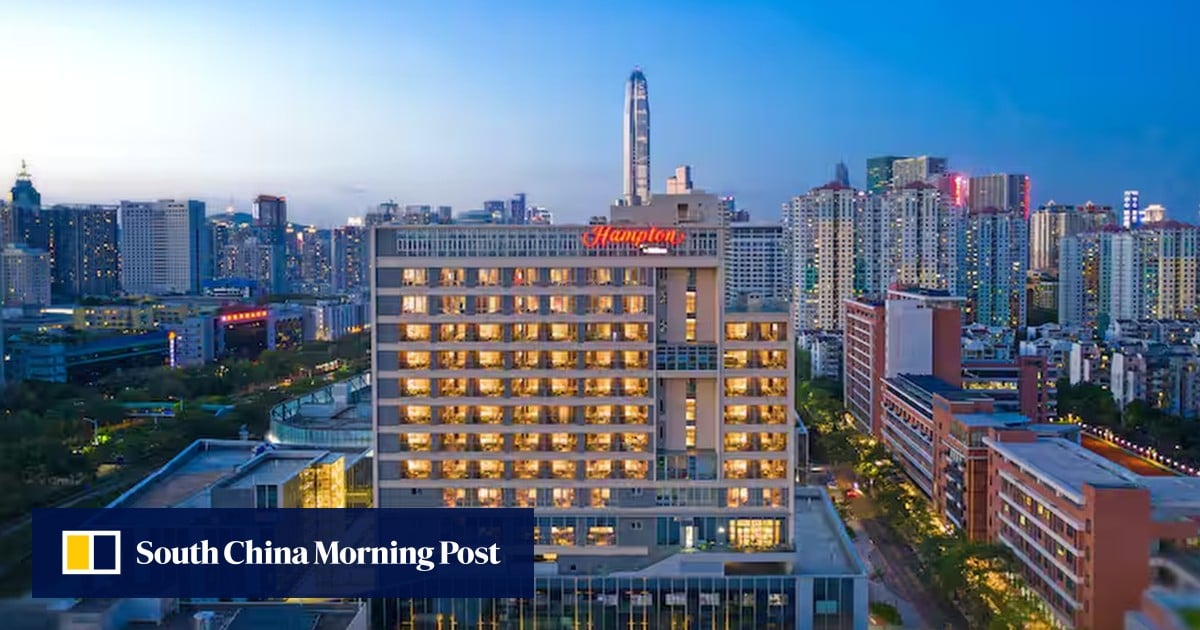
International hotel chains are increasingly targeting China’s value-driven travelers by expanding into the midscale and upper-midscale segments, a strategic move aimed at capturing price-conscious consumers without diluting brand positioning. This shift reflects a broader trend in the hospitality sector, where travelers are seeking a balance between affordability and quality. In Shenzhen, a 24-year-old named Ryan Liu recently booked a stay at a Hampton by Hilton hotel for about 600 yuan (US$89) per night, a price he had not expected from an international brand. “I didn’t know Hilton could be this affordable,” he said, highlighting a growing awareness among younger travelers of the value these brands can offer.
Changing consumer preferences drive market shift
According to Zhou Mingqi, founder of tourism consultancy Jingjian Consulting, the move into the midscale and upper-midscale segments represents a strategic bet by international hotel groups on the more affordable end of the market. These companies, traditionally focused on upscale properties, are now leveraging their brand recognition to attract a wider audience. “Consumers have become highly price sensitive, and midscale hotels are becoming a key segment absorbing this demand for better value for money,” Zhou said. This shift is supported by data showing that average spending per trip in China slightly declined to about 980 yuan, compared to 1,000 yuan a year earlier, despite a recovery in domestic tourism.
Strategic partnerships and brand expansion
Several international hotel chains have announced new initiatives in China to strengthen their presence in the midscale segment. Hilton, for example, plans to launch Tempo by Hilton in mainland China, targeting a younger, more budget-conscious demographic. The brand, launched in 2020 as an “approachable lifestyle brand,” will debut in cities such as Xiamen, Beijing, Chengdu, and Jiaxing. Marriott has also introduced its Series by Marriott brand, focusing on converting existing hotels into its operating system. Meanwhile, Hyatt has partnered with Chinese hotel group Dossen to develop its Select brand in China, targeting the mid-to-upscale segment. These moves underscore a broader strategy to meet evolving consumer preferences and compete with local players.
Despite the challenges posed by a prolonged property downturn and a sluggish job market, international hotel chains continue to expand their footprint in China, betting on long-term growth potential. Zhou noted that while international brands still hold an advantage in the inbound tourism market, competition from domestic players is intensifying. Brands like Atour and H World have built strong local networks and operational efficiencies, making them formidable competitors. International brands have traditionally benefited from their brand premium, but that advantage becomes less pronounced as they move into the midscale and upper-midscale segments, where local players have already built strong consumer loyalty and operational advantages.
As the hospitality market in China continues to evolve, the competition between international and domestic players is expected to intensify. With travelers increasingly prioritizing value for money, the midscale segment is becoming a battleground for brands seeking to capture a larger share of the market. The success of these strategies will depend on how well international chains can maintain their brand equity while adapting to the preferences of a more price-sensitive consumer base.