
Seoul nightlife adapts as young people shift focus from drinking to music and culture
Seoul nightlife evolves as young people prioritize music and culture over drinking, reshaping nightlife venues.
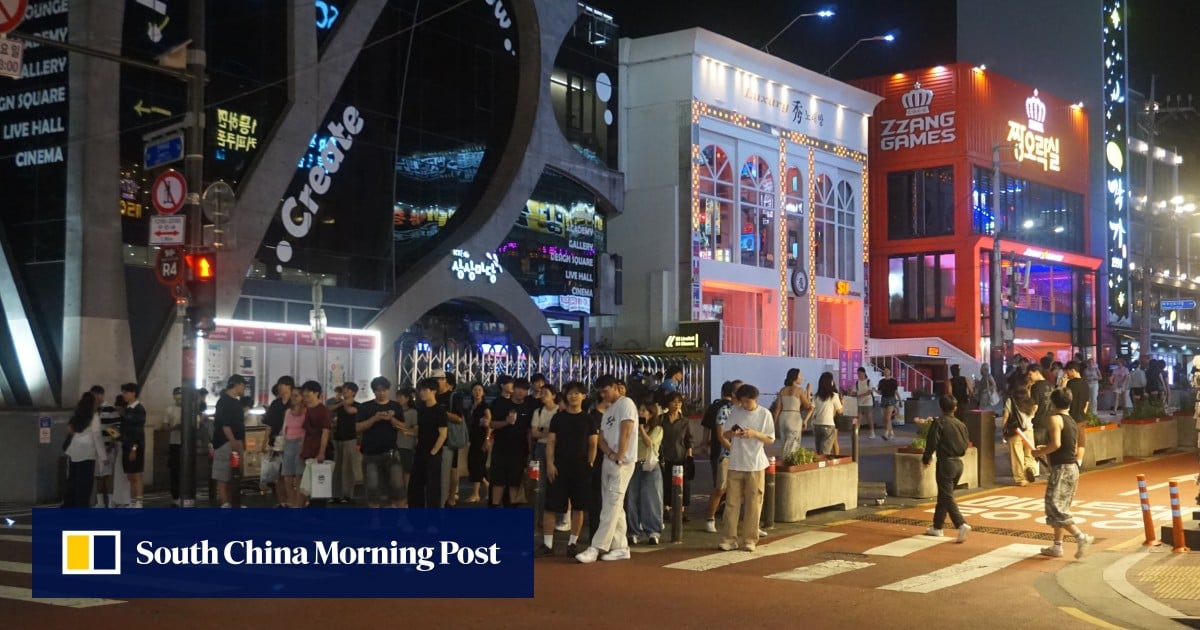
Seoul’s nightlife is undergoing a quiet but significant transformation as young South Koreans increasingly prioritize music, culture, and personal expression over traditional drinking habits. The shift is evident in the changing dynamics of popular districts like Hongdae and Itaewon, where venues are rethinking their offerings to align with evolving social preferences. With alcohol consumption declining, nightlife spaces are adapting to attract a new generation of patrons who seek more than just a night out—seeking curated experiences, artistic engagement, and a deeper connection to music.
Changing social norms reshape nightlife culture
The decline in alcohol consumption among young South Koreans is reshaping the social fabric of nightlife. According to data from the Korea Disease Control and Prevention Agency, 56 per cent of people in their twenties either abstain from alcohol or drink less than once a month, a sharp increase from 37.9 per cent in 2005. This shift is reflected in the quieter atmosphere of Hongdae, where once-packed clubs now see fewer patrons. “Drinking isn’t the main reason for meeting up any more,” said Chris Kim, a 27-year-old in the fashion industry, highlighting a clear divide between past and present social behaviors.
Clubs adapt with music and curated experiences
In response to these changes, nightlife venues are redefining their appeal. Clubs like Bolero and Soap Seoul are focusing on music, hosting globally renowned DJs and organizing events around specific genres. “People today pay attention to the kind of music being played and choose venues with DJs who really understand that genre,” said owner Son Ki-jeong of Bolero, which now hosts 500 to 700 visitors on average on weekends. This shift reflects a broader trend where nightlife is no longer just about drinking but about exploring personal tastes and cultural experiences.
At Soap Seoul, creative director Yann Cavaille noted that the decline in alcohol purchases has made it harder to afford high-profile performances. It just means that we have to be marketing our events that much more, he said, emphasizing the need for creative and consistent content to attract a more discerning audience. The club has also diversified its offerings, opening a cafe in the nearby Haebangchon neighborhood and hosting pop-up events with brands like Samsung and Nike to build its brand and appeal to a wider audience.
These changes are not just about entertainment—they reflect a deeper cultural shift. As Myung Wook, an adjunct professor at Sejong Cyber University, explained, the role of alcohol in South Korean society has evolved. In the past, drinking together was a medium through which people communicated, exchanged ideas and got to know one another, he said. “But interpersonal relationships are no longer as essential as they once were.” This shift is evident in the way young people now prioritize personal time and self-expression over group activities centered around alcohol.
As Seoul’s nightlife continues to evolve, the challenge for venues is to stay relevant in a rapidly changing social landscape. With fewer people drinking and more seeking meaningful experiences, the future of nightlife in the city will likely be shaped by creativity, cultural relevance, and a deeper understanding of what young people truly value in their social lives.